Table of Contents
ToggleIntroduction
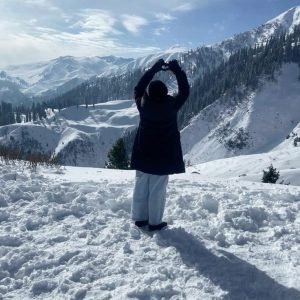
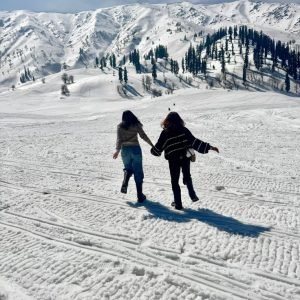
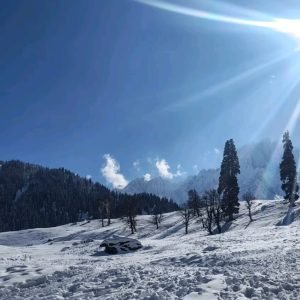
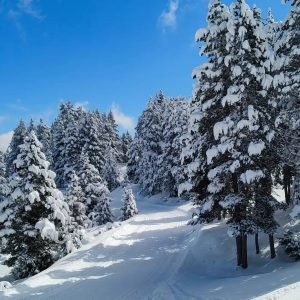
Planning a Kashmir trip in January and February is a great choice if you want to experience snow-covered mountains, winter landscapes and the traditional charm of Kashmir. These two months are among the coldest periods of the year, with Gulmarg offering excellent opportunities for skiing and snowboarding, while Pahalgam, Sonamarg and other mountain destinations can offer beautiful snow-covered scenery.
However, January and February are not exactly the same. January generally brings harsher winter conditions and the possibility of deeper snowfall, while February can offer a combination of snowy landscapes and comparatively longer periods of sunshine. Actual snowfall and road conditions vary every year.
As a locally based Kashmir travel company, Brown Chinar Kashmir Tour and Travels has helped travellers plan winter journeys across Srinagar, Gulmarg, Pahalgam and Sonamarg. This guide explains the best time to visit, snowfall expectations, places to explore, a practical 6-day itinerary, winter activities, travel costs, packing essentials and safety tips.
Whether you are planning a family holiday, honeymoon or adventure trip, this guide will help you plan your Kashmir winter vacation with realistic expectations.
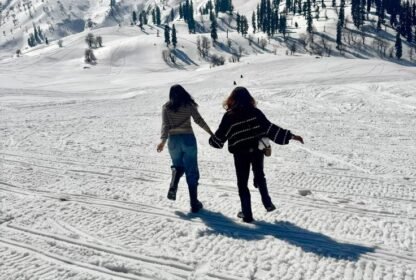
Book a Complete Kashmir Winter Tour Package Including:
Quick Answer: Why Are January and February Good Months to Visit Kashmir?
Both January and February are good months for a Kashmir winter holiday if experiencing snow is your priority.
- Choose January for the peak winter atmosphere, colder temperatures and opportunities to experience fresh snowfall.
- Choose February for snow-covered destinations, winter activities and potentially more comfortable daytime sightseeing.
- Choose Gulmarg if skiing, snowboarding and snow experiences are your main priorities.
- Choose Srinagar and Pahalgam for a combination of sightseeing, scenic stays and winter landscapes.
- Keep flexible travel dates because snowfall, fog and road conditions can affect flights, sightseeing and mountain excursions.
The best month depends on your travel dates, preferred activities, budget and tolerance for cold weather.
Factor | January | February |
Typical temperature (Srinagar) | -4°C to 5°C | -2°C to 8°C |
Snow likelihood | Very high | High, with fresh snow common early in the month |
Dal Lake | Edges or sections can freeze in the coldest spells | Thaw timing varies year to year |
Crowds | Low | Low to moderate |
Hotel prices | Usually among the lowest of the year, except New Year week | Can rise around Valentine’s week and winter-sports events |
Best for | Deep snow, the Chillai Kalan experience | Snow plus slightly easier weather |
Temperatures are typical ranges based on long-term averages from the India Meteorological Department (IMD). Check current forecasts before you travel.
January vs February: Which Is Right for You?
Traveller type | Our recommendation |
Skiers and snowboarders | Late January to mid-February, when Gulmarg snow depth is usually at its best |
Honeymooners | Early to mid-February: snow, a little more sunshine, easier travel |
Families with children | February, for milder days and fewer weather disruptions |
Photographers | January for deep snow and frost; February for clearer light |
First-time winter travellers | Early to mid-February |
Budget travellers | January, except New Year week |
Understanding Kashmir's Winter Calendar: Chillai Kalan
Locals divide winter into traditional periods, which helps you time your trip:
- Chillai Kalan (about 21 December to 30 January): the harshest 40 days, with the coldest nights and the most snow.
- Chillai Khurd (about 31 January to 19 February): the small cold still snowy but gradually milder.
- Chillai Bachha (about 20 February to 2 March): the baby cold, when the valley begins to ease toward spring.
January is the peak time for Chillai Kalan, when there is maximum snow and cold weather. February is the time for Chillai Khurd and Bachha, during which there is plenty of snow but road and air transport is more reliable and sunny periods are more common.
Kashmir Snowfall in January: What to Expect
January snowfall is generally the highest for the whole year, since this is the main month of Chillai Kalan.
- Srinagar: Occurrence of moderate to heavy snow is common. Freezing temperatures at night are common.
- Gulmarg (2,650 m): Heavy snowfall that makes snowboarding and skiing enjoyable.
- Pahalgam and Sonamarg: Heavy snowfall that covers the valleys; rivers may freeze partially.
- Dal Lake: Snowfall may make the edges of the lake frozen, and boat trips in the lake may not be available.
- Effect on travel: Snowfall may affect flights and closure of portions of the road and suspension of the gondola ride for a day.
Practical takeaway: The month of January is your best bet for getting deep snow, but it also offers the greatest risk of weather disruptions. Always keep one or two buffer days.
Kashmir Snowfall in February: What to Expect
The snowing even in February continues in higher regions. Gulmarg receives snowfall in most parts of the month. Sonamarg, Pahalgam, and Doodhpathri remain snow-covered, and Srinagar receives light to moderate snowfall. The snowfall occurs in patches and hence you might witness clear sunny weather followed by heavy snowfall.
- Srinagar: Light to moderate snow, often with more sunny days than January.
- Gulmarg: Good skiing conditions usually continue, and visibility is often better.
- Pahalgam and Sonamarg: Snowy, with road access often easier as the month goes on.
- Dal Lake: Any ice thaws at different times each year, so check locally before counting on a shikara ride.
Practical takeaway: Though snowfall is probable, there is no surety that it would happen on any particular day. The month of February is a perfect blend of both snow and comfort.
Best Places to Visit in Kashmir in January and February
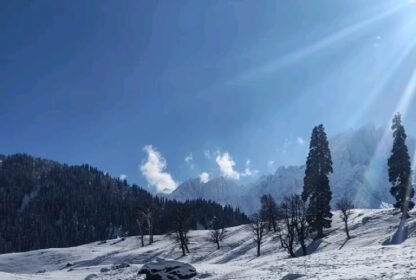
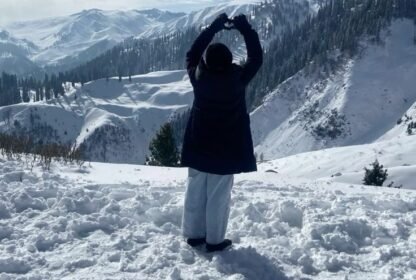
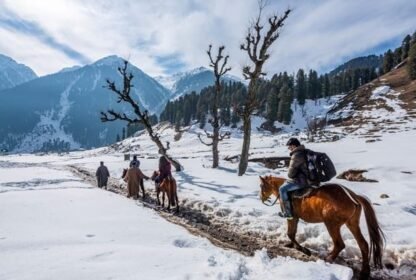
1. Gulmarg: Best for Snowfall, Skiing and Gondola Rides
Gulmarg is one of India’s most popular winter destinations and a major attraction for travellers visiting Kashmir in January and February.
Located at approximately 2,650 metres above sea level, Gulmarg is known for its snow-covered landscapes, skiing slopes and famous Gulmarg Gondola.
Things to experience:
- Gulmarg Gondola Phase 1 and Phase 2, subject to operations.
- Skiing and snowboarding with qualified instructors.
- Snow sledging and other snow activities.
- Snow photography and mountain views.
- Drung Waterfall near Tangmarg, when accessible.
Travel advice: Gondola operations depend on weather and safety conditions. Check official ticket availability and operational updates before travelling.
2. Pahalgam: A Quiet Winter Landscape
The Lidder River, pine trees, and snow-clad valleys of Pahalgam are extremely picturesque. It is more serene as compared to Gulmarg; hence, it is suitable for couples and families. Aru Valley, Betaab Valley, and Chandanwari are the popular tourist destinations in this area.
3. Sonamarg: Snow at the Gateway to Ladakh
Sonamarg Valley is a high-altitude region that receives snow all year long. Though access to this town has been facilitated due to the construction of the Z-Morh (Sonamarg) tunnel, heavy snowfall and the threat of avalanche may still lead to the closure of the tunnel. Beyond the Z-Morh tunnel lies the Zojila pass, which remains closed in times of heavy snowfall.
4. Srinagar: Dal Lake, Shikara Rides and Mughal Gardens
Dal Lake with a shikara ride during winter months becomes a major attraction because of cold and fog. Visit Shankaracharya Temple, Hazratbal Shrine, Jama Masjid, and Old City. Mughal gardens (Nishat and Shalimar) appear barren and beautiful in winters, whereas the Tulip Garden is closed during this period.
5. Doodhpathri and Yusmarg: Offbeat Snow Escapes
Both provide a quieter experience with the snow. The road to either site is dependent upon the most recent snowfall.
5 Night - 6 Days Kashmir Winter Travel Itinerary
Day 1: Arrival in Srinagar and local sightseeing
On your arrival at the Srinagar International Airport/ railway station you will be welcomed by our representative who will assist and escort you to your waiting vehicle after that begins your tour of Kashmir. Transfer to your hotel and rest. Visit the Mughal Gardens (Nishat and Shalimar), Shankaracharya Temple, Hazratbal Shrine and the old city markets. End with Kahwa and a warm local dinner.
Day 2: Sonamarg day excursion.
Drive about 2.5 to 3 hours each way (longer after snowfall). Enjoy snow walks, sledging and pony rides,in Thajiwas Glacier. Return to Srinagar in the evening, leaving before dark.
Day 3: Srinagar to Gulmarg.
Drive about 2 hours. Ride the gondola (Phase 1 and, if open, Phase 2), try skiing or sledging, and stay overnight for evening and sunrise views.
Day 4: Gulmarg to Pahalgam via Drung Waterfall.
Descend after breakfast, stop at Drung Waterfall in Tangmarg, then continue to Pahalgam. Allow 4 to 5 hours with stops, more in snowy conditions. Relax by the Lidder River.
Day 5: Pahalgam sightseeing, then Srinagar houseboat stay.
Visit Aru Valley, Betaab Valley and Chandanwar, after that spend the time on snow walks along the Lidder River and in town. Return to Srinagar for a night in a heated houseboat on Dal Lake.
Day 6: Departure.
Enjoy a final Kashmiri breakfast and optional shopping Leave extra time for airport security and possible fog delays.
Short on time? Do a 4-day version (Srinagar, Gulmarg, Pahalgam). Have more days? Add Doodhpathri or Yusmarg. See our Kashmir winter tour packages to customise.
Best Winter Activities to Enjoy in Kashmir
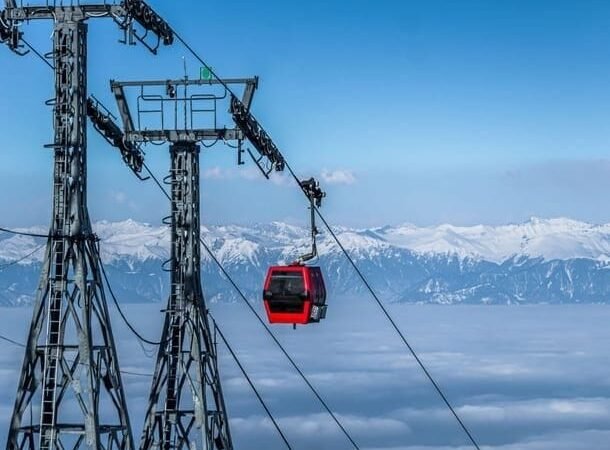
Winter offers several memorable activities, particularly around Gulmarg and other snow-covered destinations.
- Gulmarg Gondola: Experience panoramic Himalayan views when operations permit.
- Skiing: Beginners can arrange lessons with qualified instructors in Gulmarg.
- Snowboarding: Enjoy winter sports on suitable slopes with appropriate equipment.
- Snow sledging: A popular activity for families and couples.
- Snowmobiling: Available through local operators where conditions permit.
- ATV rides: Offered in selected areas, subject to local permissions and safety conditions.
- Pony rides: Available at selected tourist destinations and viewpoints.
- Shikara rides: Enjoy Dal Lake’s winter atmosphere when services are operating.
Always confirm activity prices before starting and use authorised operators.
How to Reach Kashmir in Winter
- By air: Sheikh ul-Alam International Airport (Srinagar) is the most reliable option. Fog and snow can cause delays, so avoid tight same-day connections. Check Airports Authority of India and your airline.
- By train: The Kashmir rail link connects the valley to the national network, including Vande Bharat services between Katra and Srinagar. Verify schedules on IRCTC.
- By road: The Jammu-Srinagar highway (NH44) passes through the Banihal tunnels. Snow or landslides can close it, so check advisories from J&K Traffic Police or NHAI. The Mughal Road is closed in winter.
What to Pack for Kashmir in Winter
- Thermal clothes (2 to 3 pairs), fleece and a heavy down jacket
- Waterproof and anti-slip snow boots and woolen socks
- Gloves, cap/balaclava, muffler and UV protective sunglasses (the snow glare can be extremely harsh)
- Moisturizer, lip balm and sunscreen (the air is very dry)
- Power bank (very cold weather depletes battery life quickly), medicines and a basic first aid kit
- Valid government issued identification (required at check posts and hotel rooms)
Local Winter Experiences You Should Not Miss
- Kahwa and Noon Chai: traditional saffron tea and pink salt tea.
- Harissa: a slow-cooked winter breakfast of meat and rice, sold early morning in Srinagar.
- Wazwan: the traditional multi-course Kashmiri feast.
- Kangri: the fire pot carried under the pheran, an iconic winter sight.
- Winter sports events: Gulmarg often hosts skiing and snowboarding events in this season.
Who Should Not Travel in Winter (or Should Plan Extra Carefully)
Winter in Kashmir is not for everyone. Think twice, or talk to a doctor and a local planner first, if:
- You have breathing problems, heart conditions or severe arthritis, as cold and altitude add strain.
- You are travelling with infants or very young children, since heating, travel time and cold exposure need careful planning.
- Your dates are fixed and you cannot absorb a one or two day delay.
- You are an elderly traveller who struggles on slippery ground.
- You need guaranteed access to every sightseeing spot. Snow can close roads and viewpoints.
If you fit any of these, late February or March can be a gentler alternative.
Book Your Kashmir Tour Package Now – Request Your Free Quote
Altitude and Health in Gulmarg and Sonamarg
Gulmarg sits at about 2,650 m, and the upper gondola phase goes much higher. Most healthy travellers manage fine, but mild altitude symptoms can appear.
- Common signs: headache, nausea, dizziness, unusual tiredness or poor sleep.
- What helps: hydrate, avoid heavy alcohol, rest on arrival, ascend gradually and go slow on the first day.
- When to descend: if symptoms worsen, or you feel breathless at rest or confused, go down and seek medical help immediately.
- Check with your doctor before travelling if you have a heart, lung or blood-pressure condition.
Important Safety Tips for a Kashmir Winter Holiday
- Check weather forecasts and road advisories before travelling.
- Keep flexible sightseeing arrangements.
- Avoid unnecessary night travel during adverse weather.
- Choose experienced local winter drivers.
- Confirm hotel heating and power backup.
- Check Gulmarg Gondola operations before travelling.
- Wear waterproof footwear with good grip.
- Avoid restricted or unsafe snow-covered areas.
- Keep some cash for remote destinations.
- Follow local administration and safety instructions.
What Our Guests Say
Krishan Kumar Gupta We had a wonderful experience with Brown Chinar during our 4 Nights / 5 Days Kashmir trip. Everything was well organised, from the accommodation and transportation to the overall arrangements throughout our journey.
Stuti Singh Kashmir mein best tour and travel service! Booking se lekar poori trip complete hone tak sab kuch smooth aur hassle-free raha. Special thanks to Bilal bhai. Kya zabardast insaan hain! Itne friendly, loving aur knowledgeable ki poori journey family ke saath travel karne jaisi lagi. Har destination ki details share ki aur har possible way mein help ki. Highly recommended
Kuldeep Singh Bhadoriya Kashmir trip ka experience bahut hi amazing raha! Brown Chinar Kashmir ne starting se end tak excellent service di. Everything was perfectly managed, from travel to sightseeing
Plan Your Dream Kashmir Tour Today
Conclusion
A Kashmir trip in January and February is a strong choice if you want real snow, winter sports and a quieter, more authentic side of the valley. January delivers the deepest snow and the full Chillai Kalan experience, while February offers slightly easier weather and clearer views. Whichever month you pick, keep your plan flexible, pack warm, check live road and flight updates, and travel with a local team that knows winter conditions.
Ready to plan? Brown Chinar Kashmir Tour and Travels can build an itinerary around your dates, budget and activities:
How To Book a Kashmir Tour Package for January & February online?
Contact Brown Chinar Kashmir
FAQs (Frequently Asked Questions)
1.Should I choose January or February for a trip to Kashmir?
The month of January has the greatest amount of snow and also provides the complete Chillai Kalan. The month of February is slightly warmer than January, with good visibility. Early to mid-February will be good for travelers visiting Kashmir for the first time and wanting to see snow.
2.Will there be snowfall in Srinagar in January and February?
Snow usually falls, but not every day. There is much more snow in Gulmarg, Pahalgam and Sonamarg than the city.
3.What is the temperature range in Kashmir in January and February?
Srinagar has a temperature range of -4°C to 5°C in January and -2°C to 8°C in February. Gulmarg and Sonamarg are cooler than Srinagar.
4.Does Dal Lake freeze in winter?
There is a possibility that some parts of the lake may freeze in very cold weather, which usually happens in January.
5.What winter sports can I indulge in Kashmir?
The Gulmarg Gondola, skiing, snowboarding, snow sledding, snowmobiling, ATV, Zorbing, pony and shikara rides, based on snow condition and weather.
6.Are Pahalgam and Sonamarg open during January and February?
Both are usually accessible, though snow conditions may affect road access to areas such as Aru Valley, Betaab Valley, Chandanwari and Sonamarg. Best to check daily on the ground.
7.For how many days should we stay in Kashmir during the winters?
A minimum of five-six days would be required to cover Srinagar, Sonamarg, Gulmarg and Pahalgam.
8.Is Kashmir safe for tourists during the winter season?
The winter season is relatively peaceful and millions of tourists visit Kashmir every year. But conditions may vary, please make sure to check the latest travel advice before planning your trip. We will keep you updated at all times during your stay in Kashmir.
10.Are Kashmir winter tour packages worth booking?
For most travellers, yes. A local operator handles heated stays, winter-capable vehicles, gondola bookings and last-minute rerouting when roads close. See the packages from Brown Chinar Kashmir Tour and Travels.