Table of Contents
ToggleWhy Kashmir Is One of India's Best Winter Photography Destinations
Winter in Kashmir provides photographers with an idyllic experience. Winter snows cover the deodars and pines, mist shrouds the Dal Lake in the morning, the shikaras lie motionless under the gray sky, and the peaks of the Pir Panjal mountains become pink in the early morning sun.If you are looking for the best places for winter photography in Kashmir, this guide covers the locations, timing, camera settings and a 6-day plan to help you shoot with confidence.
The essence of the season lies in the Chillai Kalan,which is a 40-day period of the most severe winter, commencing around December 21 and ending on January 31. This is the time when the Valley experiences its heaviest snowfall and the coldest mornings.
Book a Complete Kashmir Winter Tour Package Including:
Quick Overview: Best Kashmir Snow Photography Spots
Location | Best For | Peak Months | Approx. Altitude |
Gulmarg | Powder snow, gondola views, skiers | Dec to Feb | 2,650 m |
Srinagar | Dal Lake, Mughal Gardens, street life | Dec to Feb | 1,585 m |
Pahalgam | Riverside snow, pine forests, huts | Dec to Feb | 2,200 m |
Sonamarg | Mountain panoramas | Dec to Feb | 2,700 m |
Quiet, untouched meadows | Jan to Feb | 2,730 m | |
Offbeat pine and snow scenes | Dec to Feb | 2,400 m |
Gulmarg Winter Photography: The Snow Capital of Kashmir
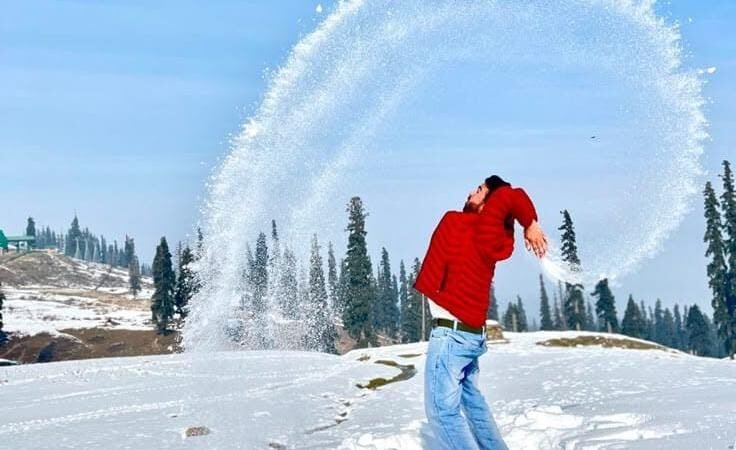
For Gulmarg winter photography, the Meadow of Flowers transforms into a huge white bowl surrounded by the Pir Panjal range and houses one of the world’s highest cable cars, the Gulmarg Gondola.
What to photograph
- Gondola view: In phase one (Gulmarg to Kongdoori), you are framed by pine forests. In phase two, you head towards Apharwat for Himalayan vistas.
- Skiers and snowboarders: 1/1000 of a second is ideal for freezing action against the white background.
- Frost-covered pines: Trails in the vicinity of the meadow provide minimalist images.
- Sunrise in pristine snow: The soft pink light is ideal for around 30 minutes before sunrise and an hour after.
Practical notes
- The tickets must be booked through the official operator, which is the Jammu & Kashmir Cable Car Corporation. Phase 2 ticketing depends on phase 1, and during peak seasons, tickets are in demand.
- In case of heavy snow or strong winds and for maintenance purposes, the operations come to a stop. Thus, the status of the operations needs to be checked for the day.
- Bring proper winter wear as Apharwat is located around 4,000 m. It is much colder than the meadow.
Srinagar Winter Photography: Lakes, Gardens and Heritage
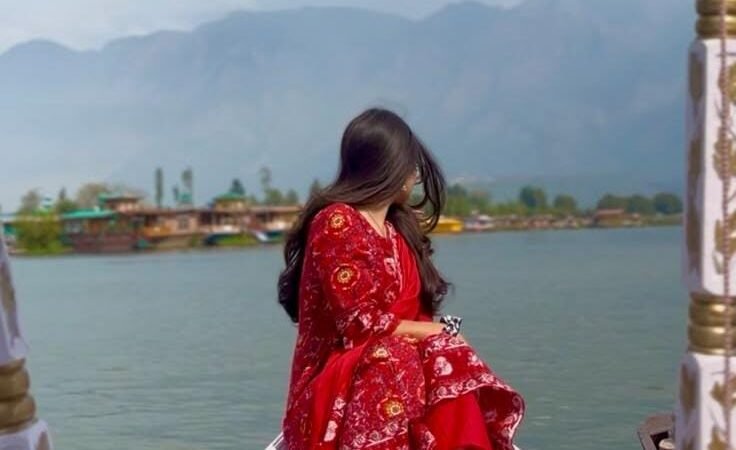
Srinagar would be the most convenient and versatile place to stay. Srinagar winter photography covers all three subjects – landscape, architecture and street photography – in one city.
Top spots
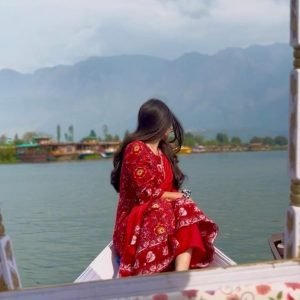
- Dal Lake at sunrise: Mist, steaming shikaras and willows on the banks. During extremely cold spells, some areas around the lake freeze, which is an unusual but impressive sight.
- Mughal gardens: Nishat Bagh, Shalimar Bagh and Chashme Shahi appear very graphic and minimalistic during winter without any leaves on the chinar trees or lightly covered by snow.
- Hari Parbat and old city: Wooden Kashmiri structures, steaming from the tandoors and carrying kangri pots create great street scenes.
- Houseboats covered with snow: One of the most recognizable pictures of the valley.
Tip: Overcast winter light is great for portraiture and moods. Get permission first when you take pictures of people.
Pahalgam Snowfall Photography: Rivers, Pines and Quiet Villages
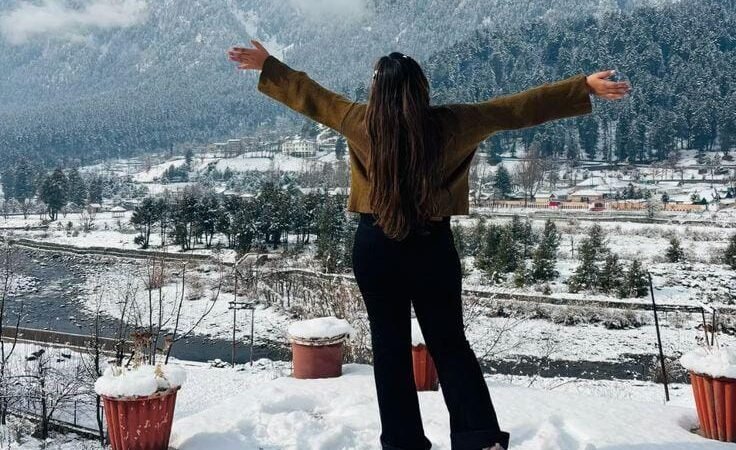
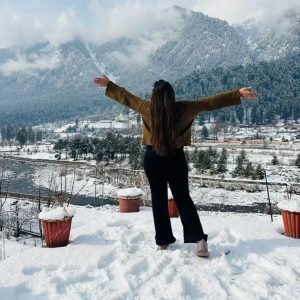
Pahalgam is another place where contrast is offered, with the Lidder River appearing to be of dark blue-green color amid white banks and snow-covered firs.
Where to shoot
- Lidder River banks: Silky water through ND filter in front of snowy boulders.
- Betaab Valley & Aru Valley: Meadows and wooden huts under snow. Access may be limited due to heavy snowfall; please confirm locally.
- Villages & shepherds: Documentary-style photographs will be possible after brief discussion.
Tip: Unmarked snow is best the day after a fresh snowfall. For Pahalgam snowfall photography, shoot during light snowfall for atmosphere.
Sonamarg Winter Photography: The Meadow of Gold Under Snow
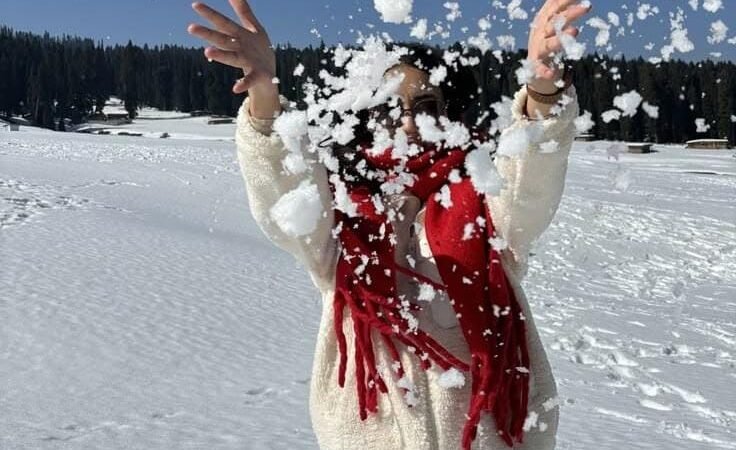
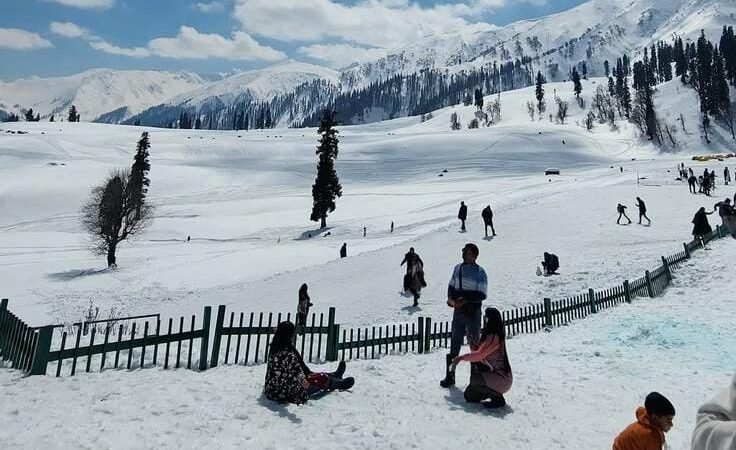
Sonamarg, located 80 km from Srinagar and situated at an elevation of about 2,700 m above sea level, is the point where the Valley opens out into a vast landscape of mountains. In winter, the green meadows are covered by heavy snowfall, the Sindh River flows black amidst the snowy banks, and there are high peaks on all sides.
What to photograph
- Snow-laden meadows: Large frame compositions with a few isolated pine trees or wooden cottages make good use of scale.
- Sindh River: Shoot with slow shutter speed or ND filter to create the illusion of silky water flowing over snowy rock formations.
- Thajiwas Glacier: The icy rock formations and the surrounding valley itself are a must see. In winter, it depends upon the snow conditions to get there.
- Mountain ranges: With the help of telephoto lens, the stacked ridge lines can be captured in full glory.
- Sunlight on the mountains: Get up early as the sunlight hits the snow-clad mountains first.
Practical notes
- Start off early from Srinagar (depending on the snow, the drive could take anything between 2.5-3 hours), so that you get good light and sufficient time to come back before dusk.
- Roads can turn very rapidly after snow. Get the latest advisory from your driver and India Meteorological Department.
- The road beyond Sonamarg to the Zojila pass remains closed in winter, so be prepared to photograph within and around Sonamarg.
- It will be much colder than Srinagar. Bring along thermals, waterproof footwear and gloves, and ensure extra batteries are kept warm within your coat.
- Use ponies or sledges for short trips through the snow. Set the terms and ask for permission prior to taking photos of the riders.
Tip: Bright snow under a clear sky can fool your camera, so add +0.7 to +1.5 EV of exposure compensation and keep checking the histogram.
Want a smooth Sonamarg day trip with a driver who knows the winter road? Read the Sonamarg travel guide and check the Srinagar to Sonamarg distance before you go.
More Hidden Gems for Kashmir Snow Photography
- Doodhpathri: A serene meadow with thick pine margins and less footfall.
- Yusmarg: Quirky, peaceful and perfect for uncluttered and untainted imagery.
- Villages with snow-covered roofs: Wooden houses with smoke rising from chimneys make powerful images.
Kashmir Winter Photography Tips for Sharper, Better Snow Images
These Kashmir winter photography tips address the challenges of cold, bright, low-contrast scenes:
- Use exposure compensation. Cameras tend to render snow grey, so add about +0.7 to +1.5 EV and check your histogram.
- Shoot RAW to protect highlight detail and fix white balance later.
- Set white balance manually. Auto often turns snow blue. Try Daylight or Cloudy.
- Plan around golden hour. Sunrise and sunset light is lower and warmer in winter.
- Carry spare batteries inside your jacket. Cold drains them fast.
- Prevent condensation. Seal the camera in a bag before going indoors and let it warm gradually.
- Use filters. A polarising filter deepens skies and cuts glare, and an ND filter allows long exposures on rivers.
- Bring the right lenses: wide (16-35mm) for landscapes, telephoto (70-200mm) for compressed mountain layers, and a fast prime for interiors and street scenes.
- Use a sturdy tripod with a remote or timer for blue-hour work.
- Dress in layers with thermal innerwear, waterproof outerwear and touchscreen gloves.
Best Time for Winter Photography in Kashmir: Month-by-Month
The Best Time for Winter Photography in Kashmir are
- December: Snow, fresh air, less crowded than January.
- January: Heaviest snow and lowest temperatures. Best for creating striking images with some possibility of delays due to travel.
- February: Snowy, milder weather with longer days.
- Early March: Snow melting, mellow light with the first signs of spring.
Heavy snowfall can close highways at short notice. Check forecasts and alerts from the India Meteorological Department before every travel day
Also check :-Kashmir Winter Travel Guide: Roads, Hotels and Taxi Services
5 Night 6 Day Winter Photography Itinerary for Kashmir
Day 1: Arrive in Srinagar and Full Srinagar Sightseeing
Day 1 is a full introduction to Srinagar winter photography. After check-in and a short rest, start your Srinagar sightseeing with the Mughal Gardens (Nishat Bagh and Shalimar Bagh) in soft winter light. Visit Hari Parbat and the old city lanes for heritage and street frames. End the day with a golden-hour shikara ride on Dal Lake and blue-hour houseboat shots.
Day 2: Srinagar to Sonamarg (Day Trip)
Leave early for Sonamarg, the Meadow of Gold about 80 km from Srinagar. Photograph snow-covered meadows, the Sindh River and the surrounding peaks in the clear morning light. Also visit Thajwas glacier, its perfect for winter photography in Kashmir after that return to Srinagar by evening.
Day 3: Srinagar to Gulmarg and Gondola Day
Day 3 is the highlight of your Gulmarg winter photography. Leave Srinagar early (about 2 hours in good conditions) so you reach the gondola station before the queues build. Take the gondola to Kongdoori and Apharwat if conditions allow, and photograph skiers, ridgelines and panoramic Himalayan views. Book gondola tickets in advance through the official operator. Come back down for snow-laden pines and the meadow at sunset. Carry snow chains and keep buffer time for weather.
Day 4: Gulmarg to Pahalgam
Catch a quiet sunrise on the Gulmarg meadow, then check out and drive to Pahalgam (several hours, with a weather buffer).Day 4 is your first chance at Pahalgam snowfall photography, so Shoot the Lidder River in the late afternoon and a quiet village at dusk.
Day 5: Pahalgam to Srinagar and Houseboat Stay
Catch early light along the river, Betaab Valley and Aru Valley, both classic spots for Pahalgam snowfall photography. Then drive back to Srinagar. Check in to your houseboat in the afternoon and photograph the lake at golden hour, then the lights reflecting on the water at blue hour.
Day 6: Houseboat Sunrise and Departure
For Srinagar winter photography, nothing beats a misty Dal Lake sunrise straight from your houseboat deck, with shikaras gliding past. After breakfast, head to the airport or railway station for departure.
Optional add-on: If you have an extra day, Doodhpathri and Yusmarg make good offbeat day trips from Srinagar.
Would you like to customize this plan with a driver familiar with safe winter routes? Discover winter plans from Brown Chinar Kashmir.
Book Your Kashmir Tour Package Now – Request Your Free Quote
Safety and Travel Tips for Winter Photography in Kashmir
- Check road and weather conditions every day. Snow could result in delays or road closures.
- Take a local guide who has experience driving in the snow with snow chains.
- Dress to be warm in below freezing weather, particularly in high altitude locations.
- Keep yourself hydrated and warm. Cold weather will mask your thirst, and high altitudes increase tiredness.
- Respect their culture and privacy. Always ask before taking pictures and never take pictures of sensitive installations.
- Always have your identification ready. Identification is required at check points and for booking the gondolas
Recommended Camera Gear Checklist
Good gear supports all the Kashmir winter photography tips above:
- Mirrorless or DSLR with weather sealing (a phone with RAW mode also works)
- Wide-angle and telephoto lenses
- 3 or more batteries and a power bank
- Polariser and ND filters
- Sturdy tripod and remote
- Lens cloths and silica gel packs
- Waterproof camera cover and dry bag
- Hand warmers and thermal gloves
How This Guide Was Prepared and Verified
This guide combines practical shooting advice with information checked against reliable sources, including J&K Tourism, the India Meteorological Department, the official J&K Cable Car Corporation and established reference pages. We flag conditions that change often, such as road closures and gondola operations, and we update the article each season
Our team has spent several winters in Kashmir, from the snowy meadows of Gulmarg and Pahalgam to the icy edges of Dal Lake in Srinagar. That first-hand experience helps us recommend the right Kashmir snow photography spots and the best timing for your trip.
Plan Your Trip With Local Experts
Ready to turn this guide into a real trip? The local team at Brown Chinar Kashmir can build a winter photography itinerary around sunrise, golden hour and safe road timings.
Conclusion
No matter where your interests take you from skiing the powder snows of Gulmarg to taking photos of mist-laden shikaras in Srinagar or of the serene river banks at Pahalgam, Kashmir will give its best to photographers who have done their planning well regarding light, weather, and knowledge of local conditions. Use this guide and the 6-day itinerary below as your base.. Ready to go? Get a custom winter photography plan from Brown Chinar Kashmir.
How To Book a Kashmir Winter Photography Tour online?
Contact Brown Chinar Kashmir
FAQs (Frequently Asked Questions)
1.What are the best places for winter photography in Kashmir?
The best places for winter photography in Kashmir are Gulmarg, Srinagar (Dal Lake and the Mughal Gardens), Pahalgam, Sonamarg, Doodhpathri and Yusmarg. .
2.Which month is best for snow photography in Kashmir?
The best for snow photography in Kashmir areJanuary offers the deepest snow, while December and February balance good snow with easier travel.
3.Is Gulmarg good for photography in winter?
Yes. Gulmarg winter photography is the most popular in the Valley, thanks to snow-covered meadows, gondola views and skiing scenes.
4.How many days do I need for winter photography in Kashmir?
Five to six days is enough to cover the main Kashmir snow photography spots in Srinagar, Gulmarg and Pahalgam without rushing, and it leaves room for weather delays. .
5.What camera settings work best for snow?
Shoot RAW, add +0.7 to +1.5 EV exposure compensation, and set white balance manually so snow doesn’t turn blue or grey.
6.Can I shoot good winter photos with just a smartphone?
Yes. Use RAW or Pro mode, tap to expose for the highlights, and use a small tripod for low-light shots.
7.Does Dal Lake freeze in winter?
During severe cold waves, parts of the lake’s edges can freeze, but conditions vary each year. Check local reports.
8.How do I book Gulmarg Gondola tickets?
Use the official Jammu & Kashmir Cable Car Corporation website. Phase 2 requires a Phase 1 booking, and slots in peak season sell out quickly.
9.How do I protect my camera and batteries in the cold?
One of the most useful Kashmir winter photography tips is to keep batteries inside your jacket. Use a rain cover during snowfall, and let the camera warm slowly in a sealed bag after coming indoors.
10.Is Kashmir safe for winter photography trips?
Yes, Tourist areas receive photographers every winter, but conditions change. Check weather, road status and local advisories, and travel with an experienced local operator.